
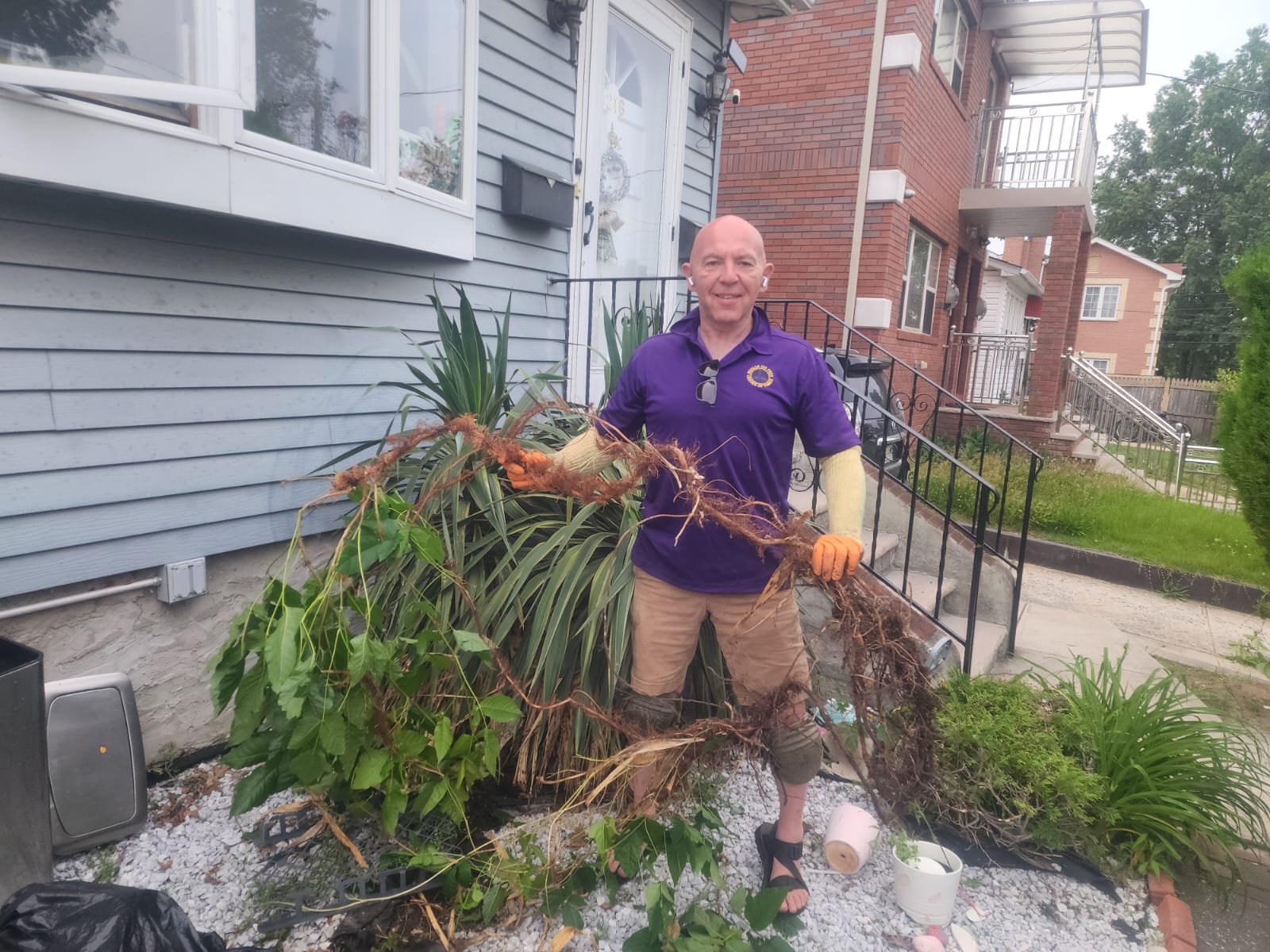
Poison ivy might seem like just another nuisance plant, but ignoring it can lead to serious consequences for your health, property, and even your pets. Many homeowners underestimate how quickly it spreads-and how dangerous it can become over time.
At Poison Ivy Free, we specialize in safe, effective poison ivy removal services that protect your family and restore your outdoor space.
Why Poison Ivy Is More Than Just an Itch
Poison ivy contains urushiol oil, a potent allergen that causes skin reactions in up to 85% of people. Even worse, this oil remains active on surfaces for years, meaning the risk doesn’t go away just because the plant looks dead.
👉 Learn more about our poison ivy removal services for long-term protection.
1. Severe Skin Reactions and Long-Term Exposure Risks
The most well-known danger is the itchy, blistering rash, but the real risk goes deeper.
What Can Happen:
- Painful rashes that last 2–3 weeks
- Swelling, redness, and fluid-filled blisters
- Secondary infections from scratching
- Repeated exposure leading to worsening allergic reactions
Urushiol can spread easily through:
- Clothing and gloves
- Garden tools
- Pet fur
If exposure becomes frequent, professional poison ivy control is the safest solution.
2. Rapid Spread That Can Take Over Your Landscape
Poison ivy is highly invasive and can quickly dominate your yard if left untreated.
Growth Problems:
- Spreads through underground roots and seeds
- Climbs trees, fences, and structures
- Crowds out grass and desirable plants
Before you know it, a small patch can turn into a full-property infestation, making removal more difficult and expensive.
👉 Pair removal with proper landscape maintenance strategies to prevent regrowth-services available at Poison Ivy Free.
3. Hidden Fire Hazard and Airborne Toxic Exposure
One of the most dangerous-and often overlooked-risks is burning poison ivy.
Why It’s Dangerous:
- Burning releases urushiol particles into the air
- Inhalation can cause severe respiratory distress
- Can lead to hospitalization in serious cases
Even accidental burning (e.g., yard debris piles) can expose entire households or neighborhoods.
Bonus Risk: Pets and Cross-Contamination
Pets don’t usually get rashes, but they can carry urushiol on their fur and transfer it to humans.
- Dogs and cats act as carriers
- Oil spreads to furniture, carpets, and surfaces
- Increases repeated exposure risk indoors
Signs You Have Poison Ivy on Your Property
Watch for these common indicators:
- Clusters of three shiny leaves (“leaves of three, let it be”)
- Vines growing along fences or tree trunks
- Seasonal color changes (green to red/orange in fall)
- Unexplained skin irritation after yard work
Why DIY Removal Often Fails
Many homeowners try to remove poison ivy themselves-but it often leads to:
- Accidental exposure
- Incomplete root removal
- Rapid regrowth
Professional removal ensures:
- Safe handling and disposal
- Complete eradication of roots
- Prevention of future outbreaks
Why Choose Poison Ivy Free?
At Poison Ivy Free, we focus exclusively on poison ivy identification, removal, and prevention. Our proven methods ensure your property stays safe, clean, and irritation-free.
Don’t Wait for the Rash-Eradicate the Root
Leaving poison ivy on your property isn’t just a minor inconvenience-it’s a serious health and safety risk. From painful skin reactions to hidden fire hazards, the dangers can escalate quickly if left untreated.
Taking action early with professional help is the best way to protect your home and everyone around it.