
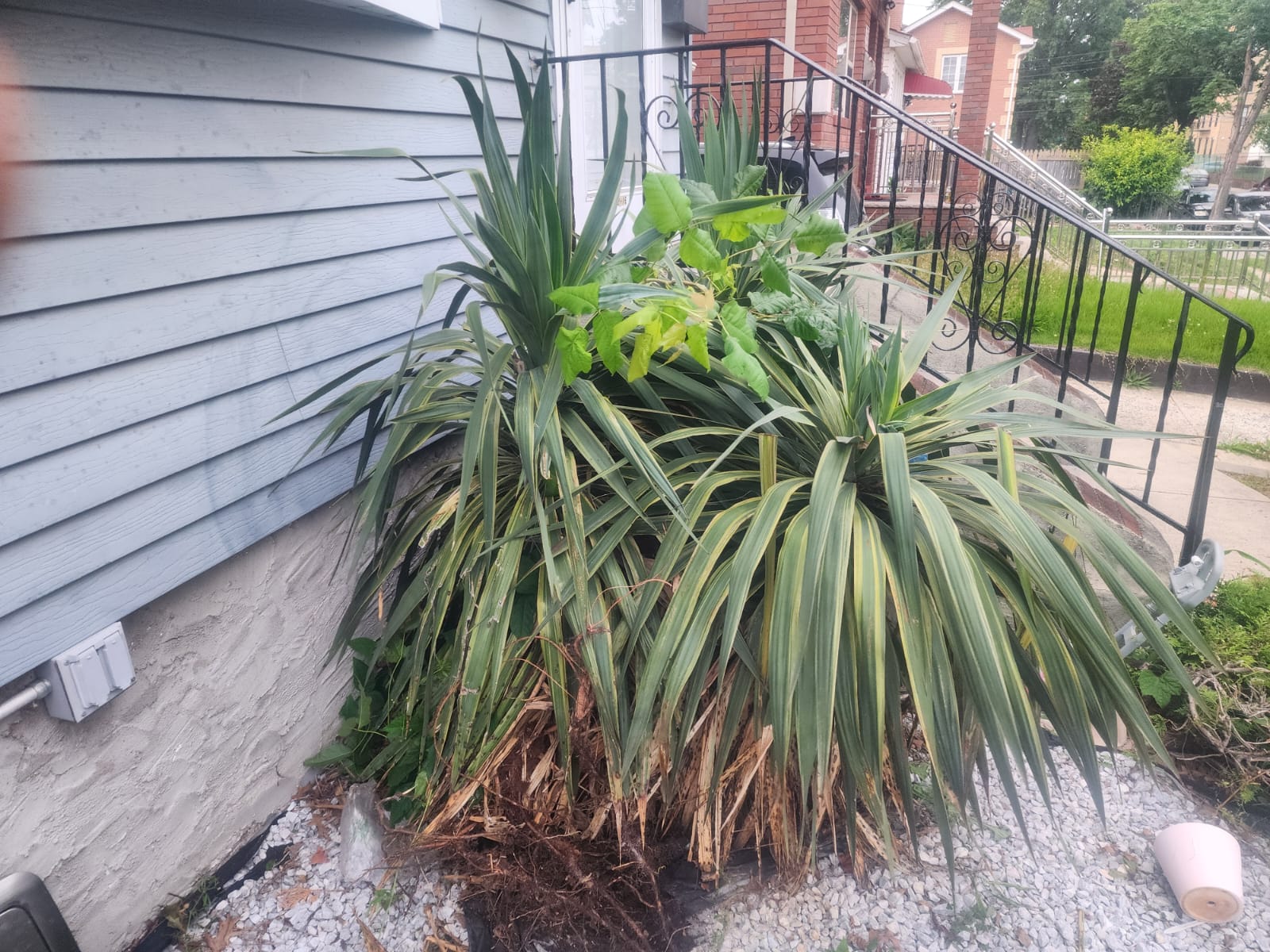
Most people believe that to get a poison ivy rash, you have to physically brush against a green leaf. Unfortunately, in the world of New England botany, it’s rarely that simple.
The real culprit is urushiol-the clear, sticky oil found in every part of the poison ivy plant, from the leaves to the roots. Urushiol is incredibly stable; it can remain active on surfaces for years. “Secondary contact” occurs when you touch an object that has touched the plant, transferring the oil to your skin hours, days, or even weeks later.
At Poison Ivy Free, we specialize in the complete eradication of these hazards. Here is how to identify and neutralize the “hidden” carriers of urushiol in your home.
1. The “Furry Carrier”: Your Pets
Your dog or cat is likely immune to poison ivy, but their fur acts like a sponge for urushiol. If your pet wanders into a patch of ivy in the woods of Connecticut or Massachusetts, they bring that oil back to your couch, your carpet, and your children.
- The Protection: If you suspect your pet has been in the brush, wear rubber gloves and wash them immediately with a specialized degreasing soap or a high-quality pet shampoo. Avoid touching them with bare skin until they are clean.
2. The “Tool Trap”: Gardening Gear
Did you pull a few weeds last summer and put your trowel away in the shed? If one of those weeds was poison ivy, that trowel is now a “hot” object.
- The Protection: Urushiol does not evaporate. To clean tools, pruners, or lawnmower blades, you must use rubbing alcohol or a specialized treatment designed to break down organic oils. Standard water and dish soap often aren’t enough to fully strip the oil.
3. The “Laundry Loophole”: Clothing and Shoelaces
Cotton and synthetic fabrics can hold urushiol for a remarkably long time. A common way people get “mystery rashes” is by untying shoelaces that brushed against a vine weeks earlier.
- The Protection: Wash contaminated clothing separately in the hottest water the fabric can handle with a heavy-duty detergent. Be sure to wipe down your shoes-especially the laces and soles-with alcohol-based wipes.
4. The “Dormant Danger”: Winter Wood and Vines
Even in the dead of winter in New Hampshire or CT, poison ivy is dangerous. If you gather “hairy vines” for a backyard fire or handle firewood that has ivy clinging to it, you are at risk.
- The Warning: Never burn wood that has poison ivy on it. Inhaling urushiol smoke can cause a life-threatening systemic reaction in the lungs.
5. The “Cross-Contamination” Chain
Secondary contact often happens in a chain:
- You touch the plant with a glove.
- You use that glove to pull your phone out of your pocket.
- You touch your phone later that night while lying in bed.
- You wake up with a rash on your face.
Break the Cycle with Professional Eradication
The only way to truly stop secondary contact is to remove the source. DIY removal often leads to more “hot” tools and contaminated clothing. At Poison Ivy Free, we use professional-grade identification and manual extraction techniques to ensure the roots and vines are gone for good-without turning your garage into a urushiol hazard zone.
Don’t let “hidden” oil threaten your family. Contact Poison Ivy Free today for a professional property inspection and guaranteed removal.