
When your child comes home from a day of playing in the New England woods with a telltale red, itchy trail on their skin, it can be a stressful moment for any parent. At Poison Ivy Free, we believe that education is the first step toward a safe, itch-free summer.
While our primary mission is the professional removal of poison ivy from your property, we want to ensure you are equipped to handle the aftermath if your little ones encounter this stubborn plant. Here is a guide on how to treat a poison ivy rash in children safely and effectively.
1. Immediate Action: The 30-Minute Window
The rash is caused by urushiol, a potent oil found in the plant’s leaves, stems, and roots. If you suspect your child has touched the plant, you have a small window to remove the oil before it bonds with the skin.
- Wash Immediately: Use cool water and a grease-cutting dish soap or a specialized poison ivy wash.
- Scrub Gently: Use a washcloth to ensure you are lifting the oil off the skin rather than just spreading it around.
- Clean the Gear: Urushiol can stay active on clothing, shoes, and toys for years. Wash everything in hot water to prevent re-exposure.
2. Soothing the Itch (Safe Home Remedies)
Once the rash appears (usually 12 to 72 hours after exposure), the goal is comfort.
- Cool Compresses: Apply a cold, damp cloth to the affected area for 15 minutes several times a day.
- Oatmeal Baths: A lukewarm bath with colloidal oatmeal can significantly calm inflamed skin.
- Calamine Lotion: This classic remedy is safe for children and helps dry up any weeping blisters. Avoid using antihistamine creams directly on the rash, as they can sometimes irritate the skin further.
3. Preventing Secondary Infections
The biggest risk with children is scratching. Bacteria from under the fingernails can lead to a secondary skin infection like impetigo.
- Keep Nails Short: Trim your child’s fingernails to minimize damage from scratching.
- Cover the Area: Loose, cotton clothing can provide a physical barrier against scratching while still allowing the skin to breathe.
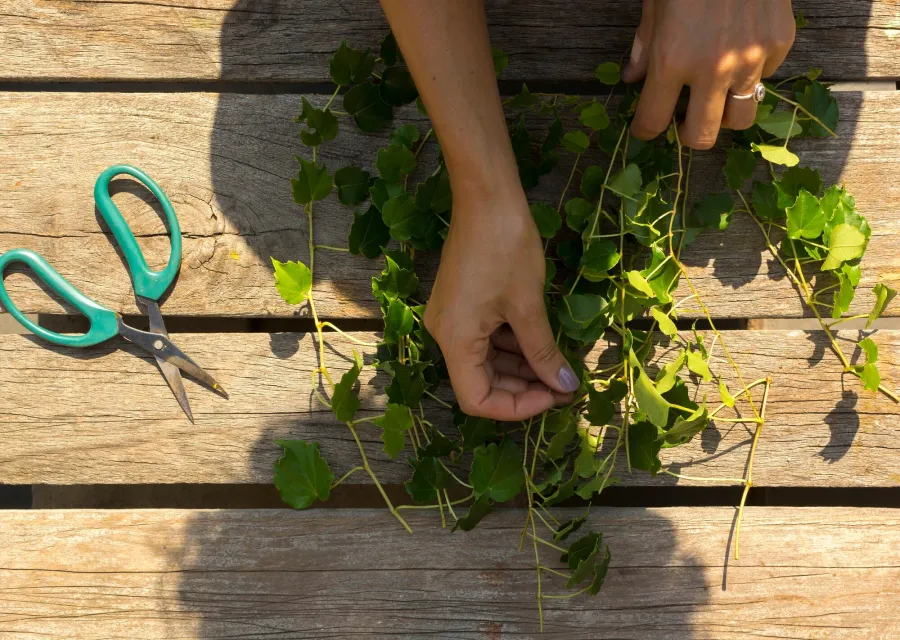
[Image showing a close-up of poison ivy leaves for identification]
4. When to Call the Pediatrician
Most cases of poison ivy can be managed at home, but you should seek medical attention if:
- The rash covers a large portion of the body (more than 25%).
- The rash is on the face, eyes, or genitals.
- Your child develops a fever or signs of infection (pus, increased swelling, or warmth).
- The itching is so severe it prevents sleep.
5. Education is the Best Prevention
The best treatment is avoiding the plant entirely. Teach your children the “Leaves of Three, Let it Be” rule. However, many poison ivy look-alikes in the Northeast can make identification tricky. Spend some time showing them photos of the plant in different stages-from its shiny green spring leaves to its reddish autumn hues.
Why Choose Poison Ivy Free?
Treating the rash is only half the battle; ensuring your yard is a safe “no-growth zone” is the final step. Our team specializes in the identification and chemical-free removal of these hazardous plants, giving your family the freedom to enjoy the outdoors without fear.
Protect your play area today. Contact Poison Ivy Free for a professional site evaluation and removal plan.