
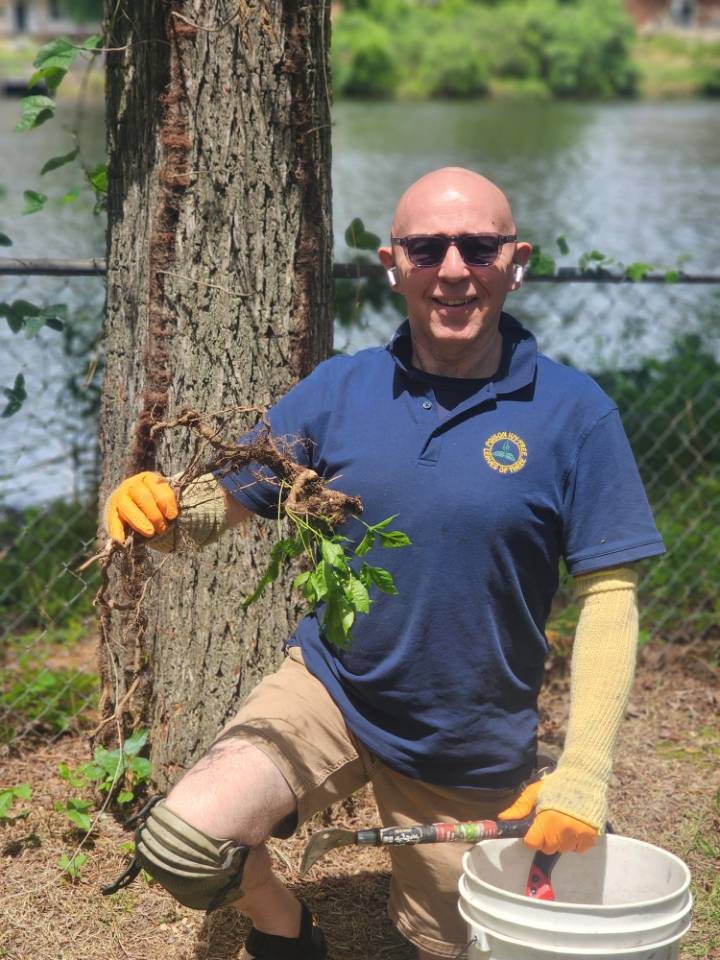
The clock is ticking. If you’ve just brushed against a “leaves of three” plant, you have a narrow window to act before the urushiol oil—the sticky, invisible resin inside poison ivy—bonds to your skin.
Once urushiol binds to your skin cells (usually within 30 to 60 minutes), an allergic reaction known as allergic contact dermatitis becomes almost inevitable for 85% of the population. Here is your emergency decontamination protocol to prevent or minimize a poison ivy rash.
Step 1: Do Not Touch Anything Else
Urushiol is like “invisible engine grease.” If you touch your face, your phone, or your steering wheel, you are spreading the oil. Keep your hands away from your body until you can reach a cleaning station.
Step 2: The “Friction” Wash (The Most Critical Step)
Standard hand washing often fails because urushiol is extremely tenacious. You must use friction to lift the oil.
- Use Cold Water: Hot water opens your pores and can actually invite the oil in deeper. Use cool or lukewarm water.
- Apply a Degreasing Soap: Plain hand soap isn’t always enough. High-volume LSI solutions include Dawn dish soap, which is designed to break down tough oils, or specialized cleansers like Tecnu or Zanfel.
- The Washcloth Method: Use a washcloth or loofah to create physical friction. Scrub your skin vigorously (but don’t break the skin) for at least 3 minutes. Think of it as trying to scrub off stubborn grease.
- Rinse and Repeat: Wash the area at least three times.
Step 3: Use Isopropyl (Rubbing) Alcohol
If you don’t have access to a shower immediately, rubbing alcohol is your best friend. It acts as a solvent to dissolve the urushiol. Pour it over the exposed area and rinse with plenty of cold water.
Warning: Alcohol removes your skin’s natural protective oils. If you use alcohol and then walk back into a poison ivy patch, the oil will penetrate your skin even faster.
Step 4: Decontaminate Your Gear
Urushiol can remain active on surfaces for years. If you don’t clean your gear, you will re-expose yourself tomorrow.
- Clothing: Wash separately in hot water with a heavy-duty detergent.
- Tools: Wipe down gardening shears or shovels with rubbing alcohol or a degreaser.
- Pets: If your dog ran through the brush, their fur is likely coated in oil. Bathe them using pet-safe shampoo and wear thick rubber gloves.
Step 5: Monitor for Symptoms
Even with a perfect wash, a small amount of oil may remain. Watch for:
- Intense itching or a burning sensation.
- Red streaks or small bumps.
- Fluid-filled blisters (Note: The fluid inside blisters is NOT contagious and does not spread the rash).
For more detailed identification help, see our guide on Poison Ivy vs. Look-Alikes.